
Who We Serve
Resources
Company
Practical insights on EHRs and practice management.
AI, interoperability, hybrid care and automation are reshaping behavioral health EHRs. Here is what next-generation systems look like and what to evaluate before choosing one.
How standardized assessments such as PHQ-9 and GAD-7 track patient progress, how outcome data flows through the EHR, and the benefits and pitfalls to plan for.
What collaborative and concurrent documentation mean in practice, where they help care teams, and the roles, access and review steps that keep them accountable.
How AI scribes capture and organize therapy sessions into draft notes, the benefits for therapists, and the privacy, consent and oversight to keep in mind.

AI is no longer a future possibility in behavioral health. Where AI fits into documentation, workflows and patient data, the benefits and risks, and what to check before adopting it.

Recovery does not follow a straight line. The clinical and operational requirements that matter in addiction treatment, what separates a SUD EHR from a generic system, and the mistakes to avoid.

Having an EHR is not the same as having the right one. Documentation, billing, reporting and care-coordination capabilities that matter, how a CCBHC EHR differs from a generic one, and the mistakes to avoid.
An ordinary day is where the gap opens. The threats behavioral health teams actually face, how to protect records across access, storage, sharing and transmission, and the EHR controls behind it.
A therapy note is not just another file. Psychotherapy notes vs. the medical record, who may access and receive PHI, the HIPAA exceptions worth knowing, and how to protect records across their lifecycle.
A “HIPAA compliant” label is a starting point, not the finish line. Security and privacy safeguards, behavioral health workflows, a 2026 evaluation checklist, and the vendor questions worth asking.

One shared conversation still has to become several individual charts. One-to-many charting, attendance tracking for CPT 90853, reusable templates, and the privacy controls that keep records distinct.

A claim does not always fail when it reaches the payer — the loss often starts earlier. Front-end eligibility checks, authorization tracking, CO-197, and the denial patterns worth acting on.
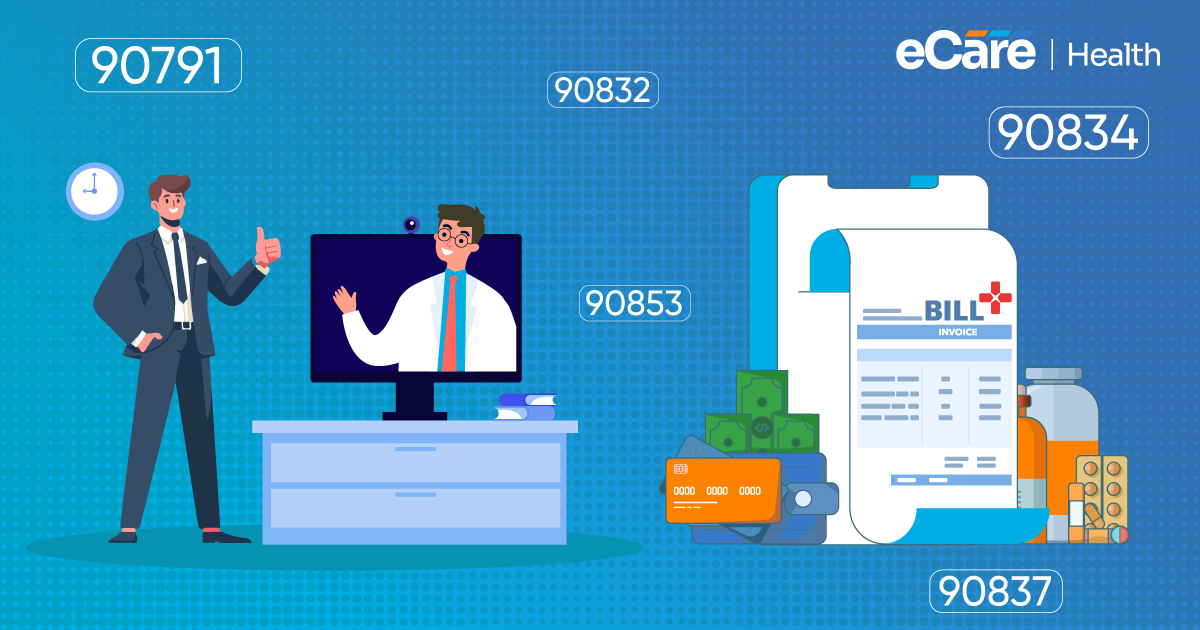
A clean clinical visit can still end in a denied claim. CPT codes 90791 to 90853, modifiers 95 and 93, POS 02 vs 10, how reimbursement varies by payer, and how to stop denials before they happen.
The video call ends and the real work starts: documentation, prescribing, scheduling, billing. What to evaluate in a telepsychiatry platform, from EPCS and PDMP to billing connectivity and security.
U.S. telehealth use rose 10.1% in a single quarter, and behavioral health led the shift. A buyer's guide to must-have features, HIPAA-compliant setup, telehealth billing, and integrated vs standalone platforms.
Almost 1 in 5 U.S. adults lives with a mental illness each year, yet goal-oriented care is still hard to sustain. How to build treatment plans in an EHR, track goals, and keep documentation audit-ready.
Every therapy session tells a story, and the progress note is what keeps it alive. What every note should include, a therapy progress notes template, examples by visit type, and the mistakes to avoid.
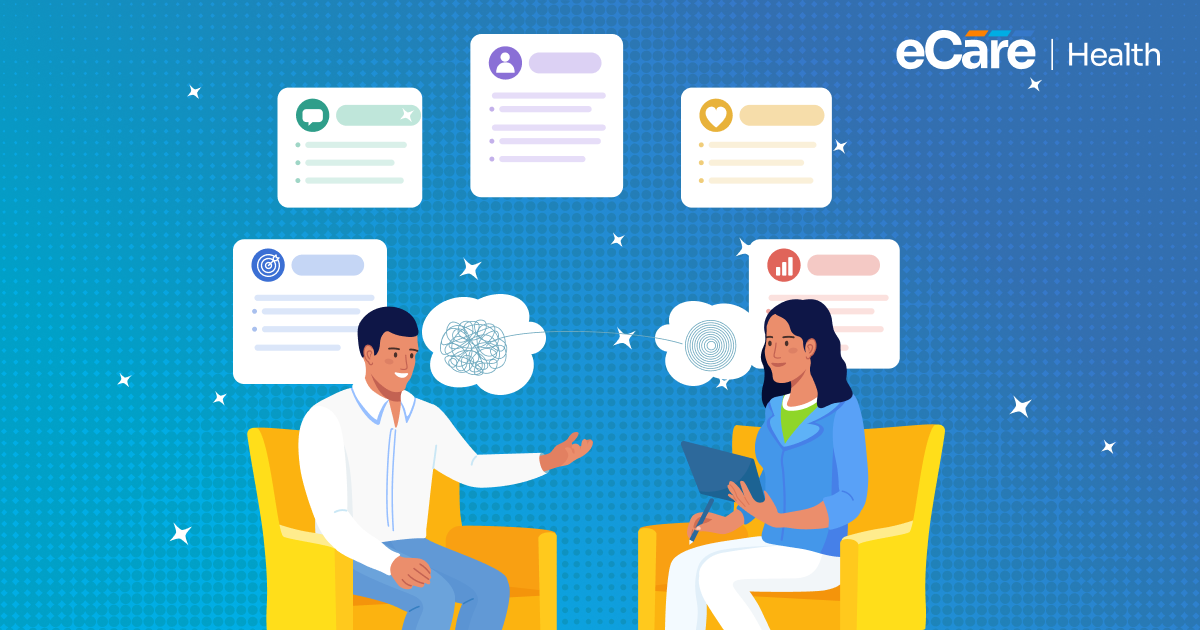
Ask five therapists to document the same session and you may get five valid notes. Compare SOAP, DAP, BIRP, GIRP, and PIRP formats and choose the one that fits your clinical workflow.
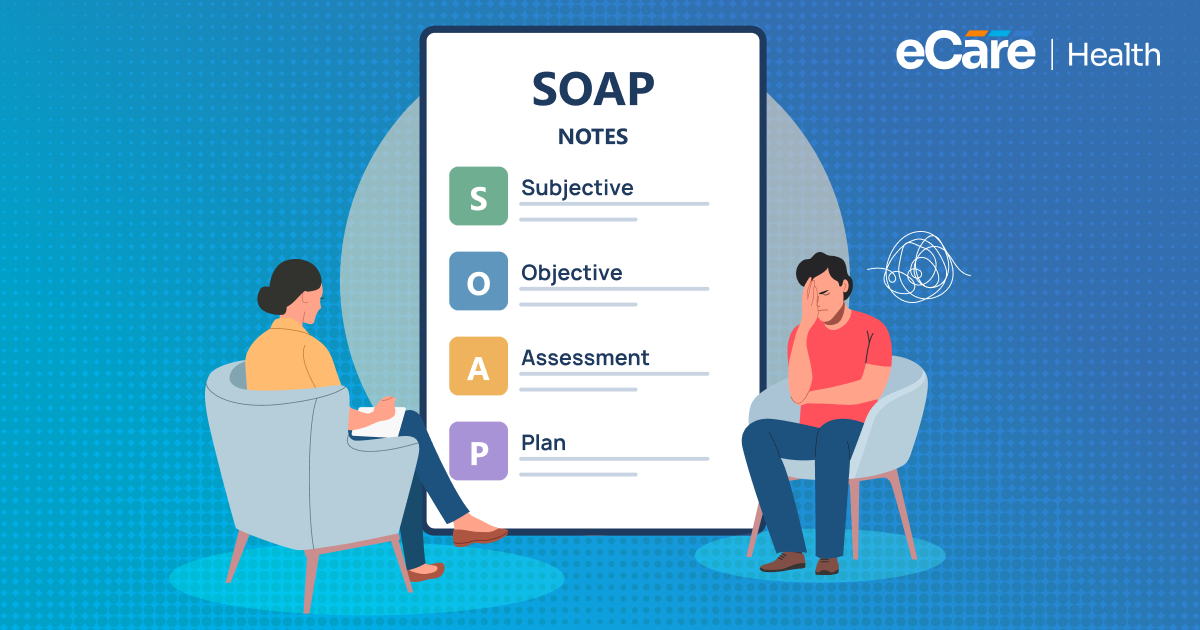
Physicians spend almost 26.6% of their daily working time on documentation tasks. A practical guide to the mental health SOAP note format, a ready-to-use template, clinical examples, and best practices for therapists.
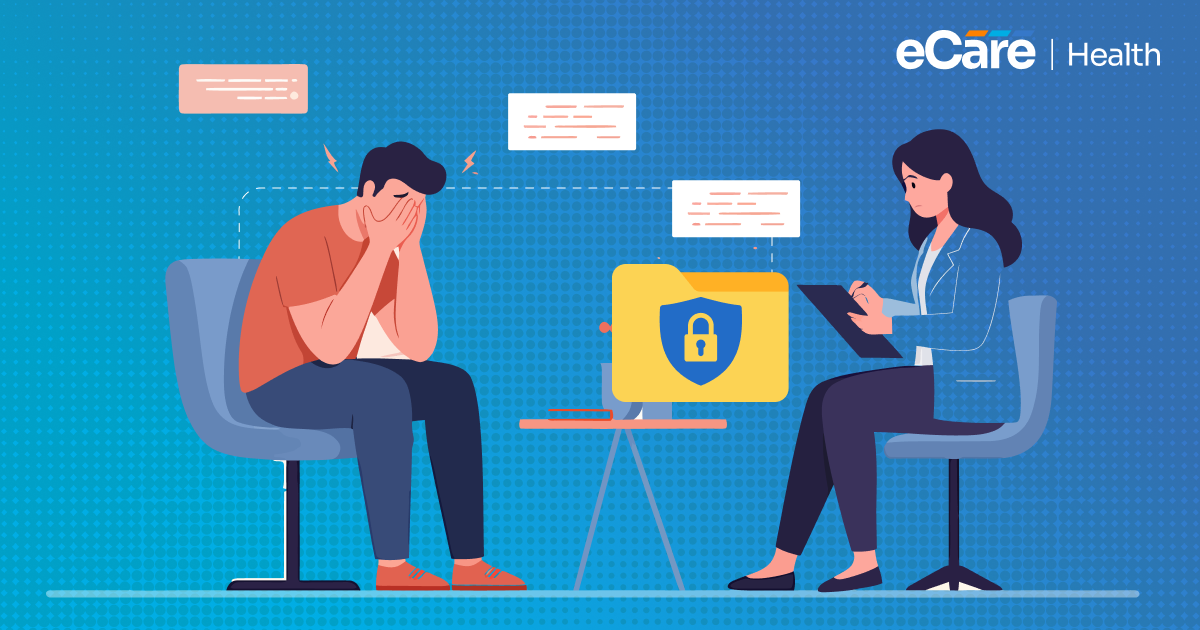
Every therapy session lasts about 50 minutes, but the notes from that session can protect your practice for many years. A practical guide to documentation standards, note formats, the Golden Thread, and audit-ready clinical notes.
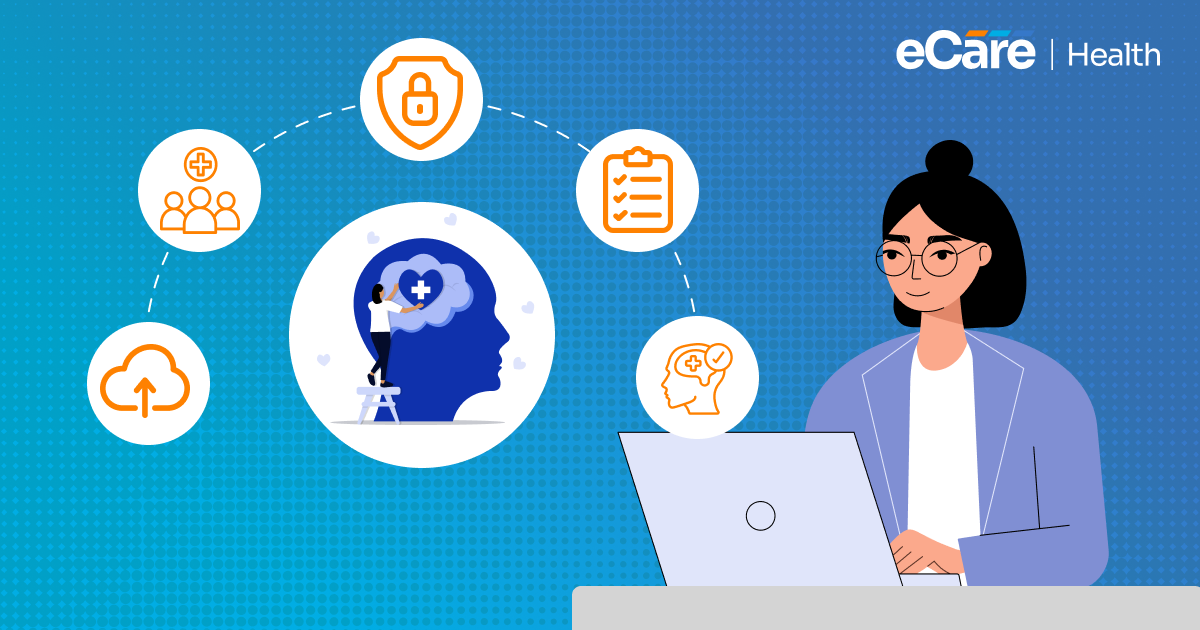
Physicians lose almost 20 hours a week to paperwork, and the tools you pick on day one decide how much of that you inherit. A 2026 roadmap to licensing, credentialing, and the technology a new psychiatry practice needs.
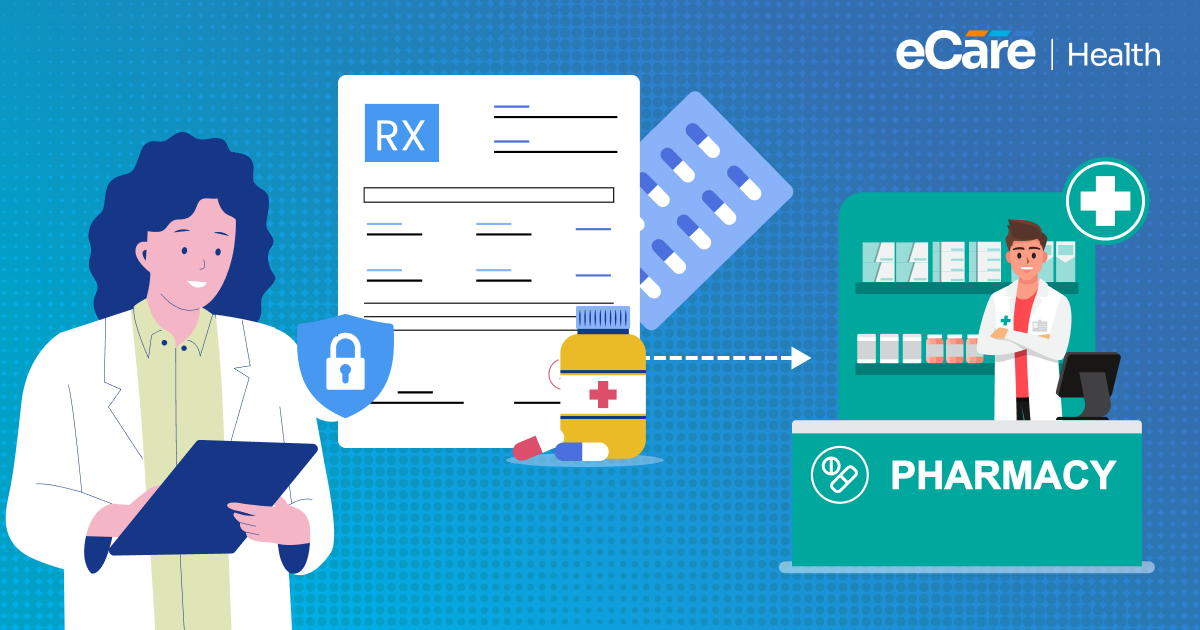
Digital prescribing is already the standard, but controlled substances add DEA rules on top. See what EPCS is, the features every psychiatry EPCS software should include, and how to implement it in your practice.
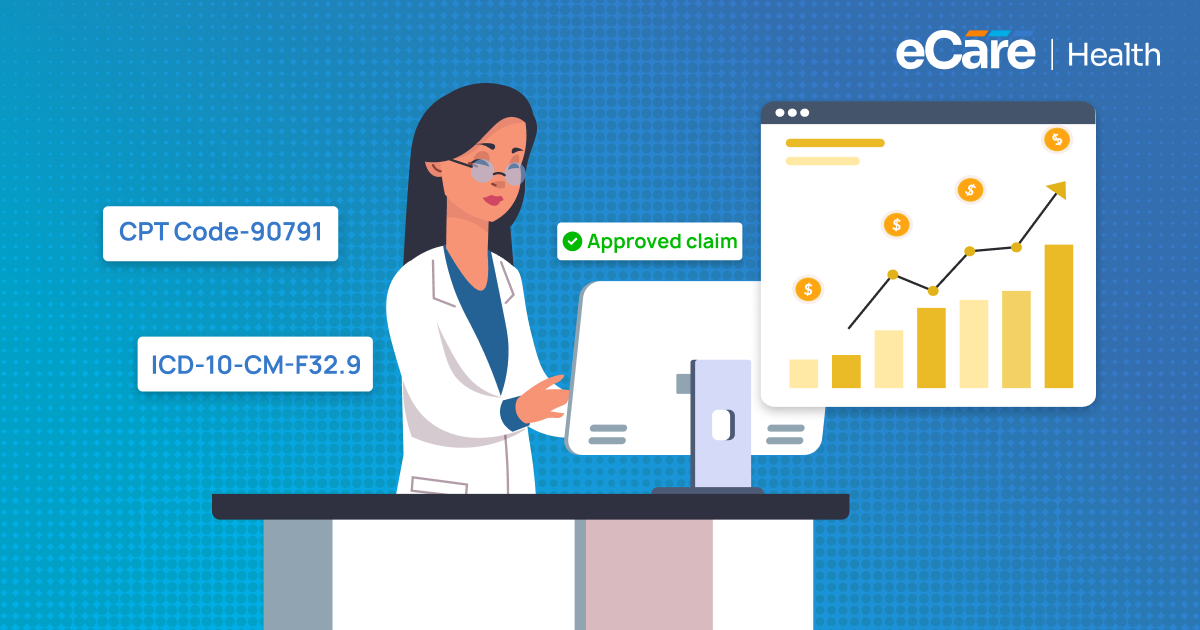
One overlooked modifier can turn a paid claim into a denied one. See the features every psychiatry billing software should include, how integration improves practice efficiency, and how to choose a solution built for behavioral health.
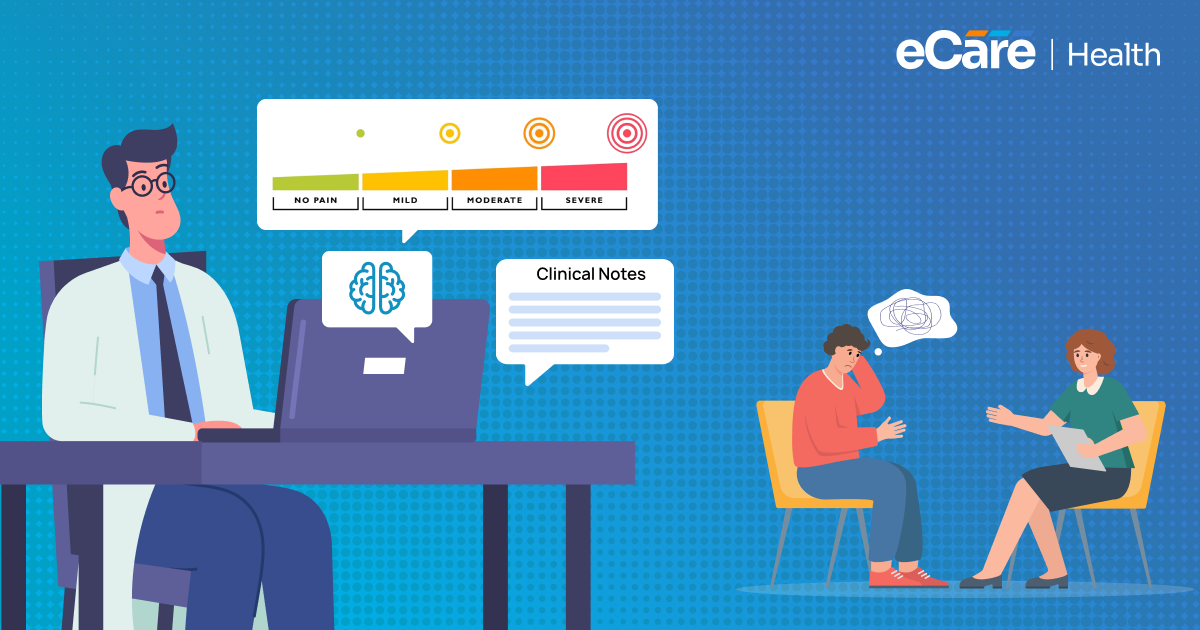
Psychiatrists write thousands of words a day, and generic EHRs make every one of them harder. See the clinical features, documentation tools, and medication workflows that complex psychiatric care actually needs.
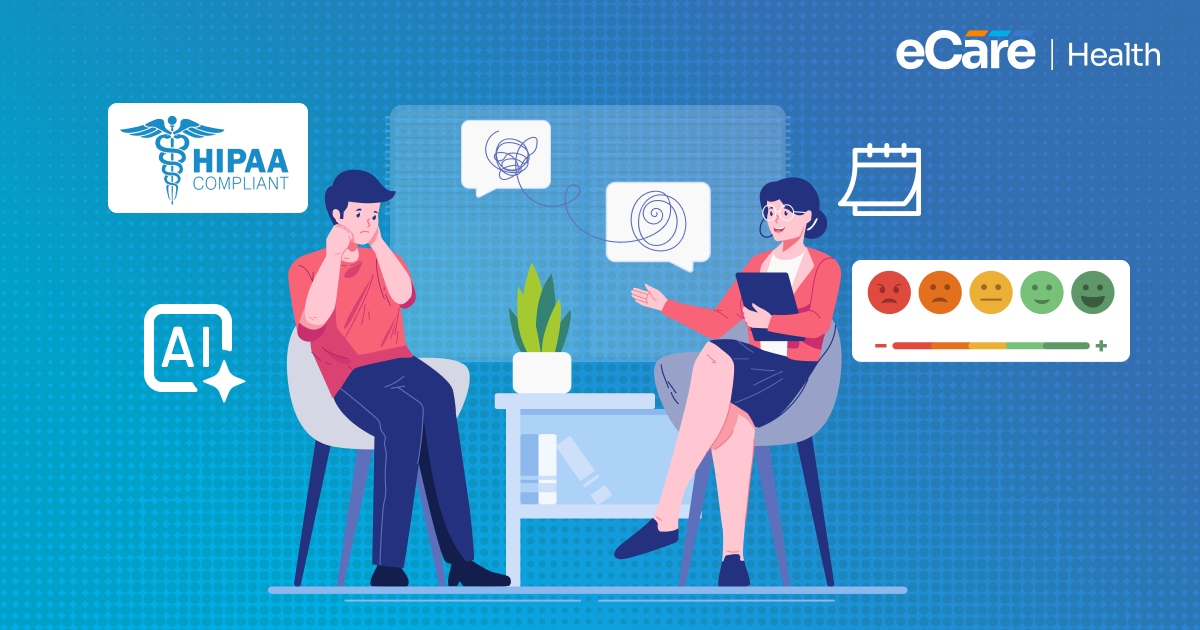
Physicians lose nearly 20 hours a week to paperwork, and general EHRs make it worse for psychiatry. A 2026 guide to psychiatry-specific features, EPCS e-prescribing, billing, and choosing software that scales.

A full calendar with an empty bank account is more common than it should be. Learn every stage of the behavioral health revenue cycle, the KPIs to track, and how to cut claim denials and speed up reimbursement.
A missing modifier, an outdated code, or an eligibility slip can turn an approved claim into a denied one. See the most common billing mistakes, why claims get denied, and how better EHR workflows prevent them.
One wrong billing code can hold up reimbursement long after treatment ends. A complete 2026 reference to ICD-10-CM diagnosis codes, DSM-5-TR crosswalks, modifiers, and cleaner claims.
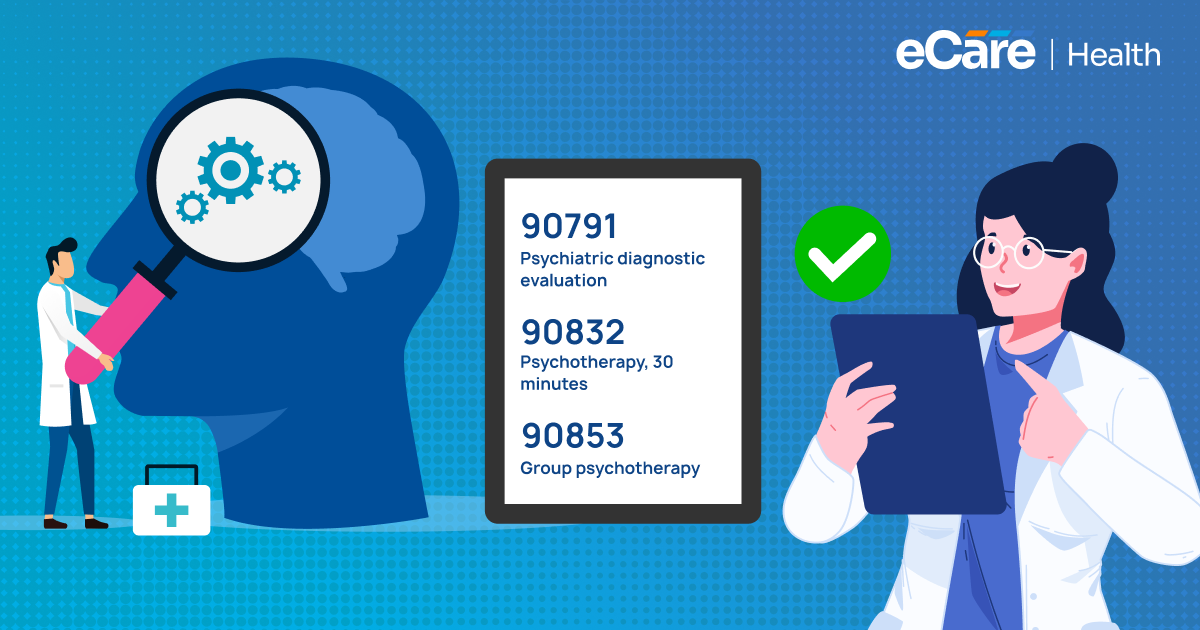
Claims are often denied for preventable reasons — wrong CPT code, inaccurate session time, or incomplete notes. A 2026 guide to the most-used codes, time-based billing, 90785, and cleaner claims.
Small documentation errors, incorrect codes, or missed payer requirements silently snowball into denials. Learn the behavioral health billing workflow, mental health CPT codes, common mistakes, and how automation reduces denials.
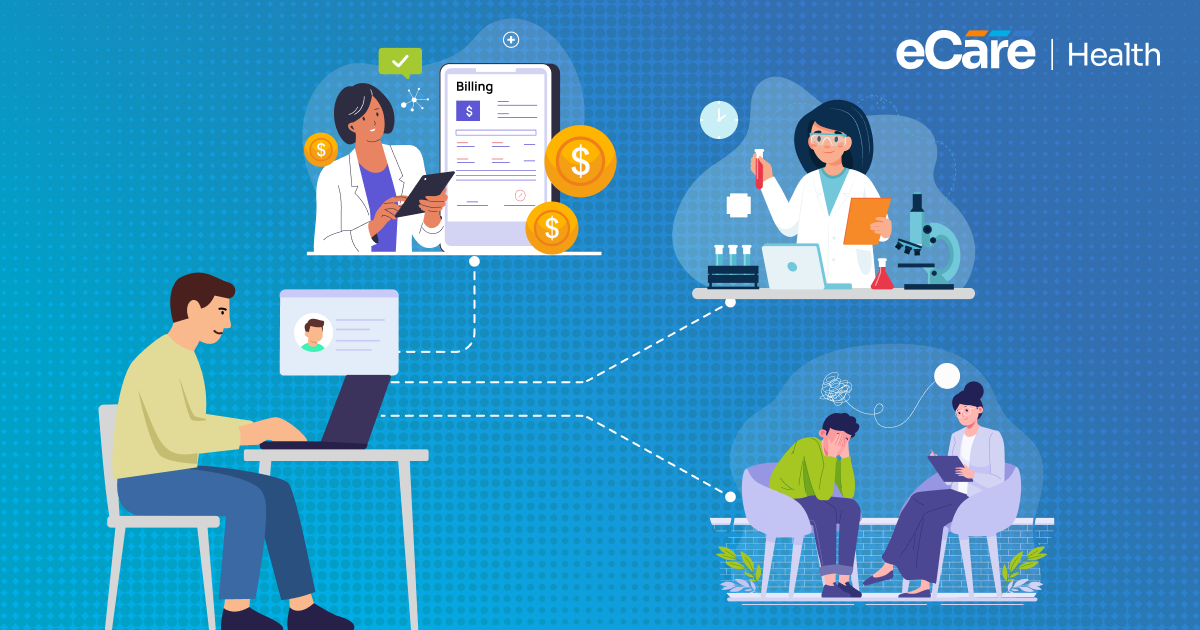
Behavioral health providers don't struggle because they lack data — they struggle because it's scattered. Learn how connected care integrates labs, billing, and referral partners through behavioral health EHR integration.

Replacing an EHR shouldn't feel like gambling with revenue. This mental health EHR migration guide covers assessing your legacy system, data migration, switching without losing revenue, and verifying success.
A poorly planned EHR rollout can quietly slow documentation and frustrate staff. Follow this step-by-step guide — strategy, workflow mapping, configuration, training, go-live, and post-launch optimization.
Growth exposes the limits of basic software. Learn what makes a mental health EHR scalable for group practices — collaboration workflows, multi-provider operations, billing, compliance, and evaluation tips.
Nearly 70% of digital transformation projects fail to hit their goals — often because the software doesn’t fit the practice. Use this practical seven-step framework to compare behavioral health EHR systems and choose the best EHR for your practice.

Almost 77% of healthcare professionals work after hours just to finish documentation. Explore the must-have features of an EHR for therapists — from AI-assisted charting and scheduling to client portals, teletherapy, billing, and security — built for private practice success.
Clinicians spend nearly 28 hours a week on admin tasks. Explore the seven key mental health EHR benefits — from reclaiming clinician time and better treatment decisions to faster reimbursement and scalable, data-driven practice growth.
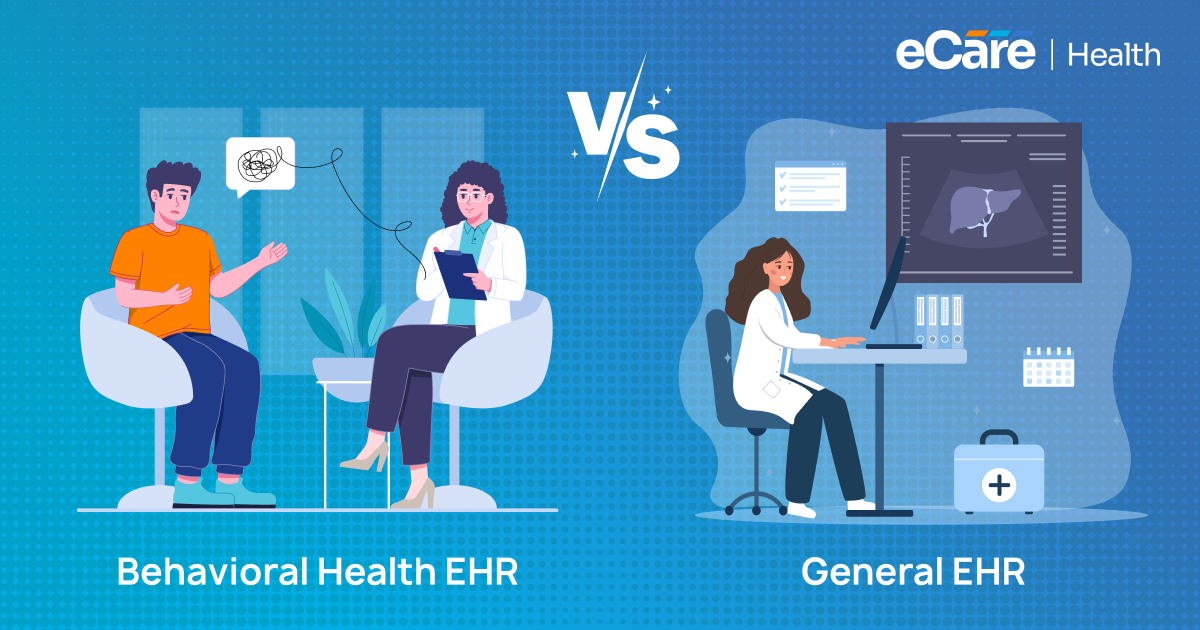
One EHR can help a medical practice run seamlessly, yet slow a behavioral health practice down. Compare behavioral health EHR vs general EHR side by side, see where generic systems fall short, and learn how to choose specialty-specific software for your practice.
Behavioral health providers handle long-term treatment plans, detailed therapy notes, and highly sensitive data. Explore the ten must-have EHR features — from AI documentation to telehealth, billing, and compliance — every mental health practice should prioritize in 2026.

Many mental health providers still depend on generic healthcare software that was never designed for therapy sessions, psychiatric evaluations, treatment plans, or behavioral health documentation. Discover the essential features, pricing factors, and expert tips for choosing the right platform in 2026.
How healthcare practices are working is changing, and in 2026, the working environments are completely different. Now, patients want quick responses, effortless access to their data, and a smooth care experience, but with increasing staffing shortages, providers are facing some challenges.
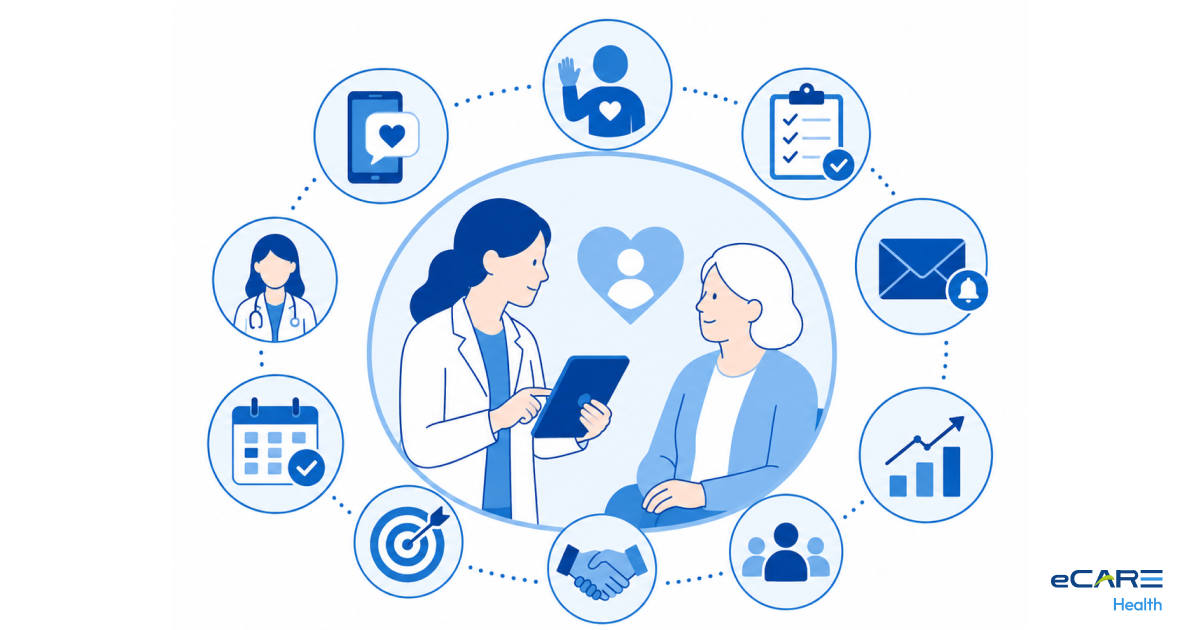
In healthcare, engaging patients is one of the hardest tasks as tracking every patient and their behaviors is not humanly possible. However, in 2026, you don’t need to track every patient yourself as AI can now help you in doing that.
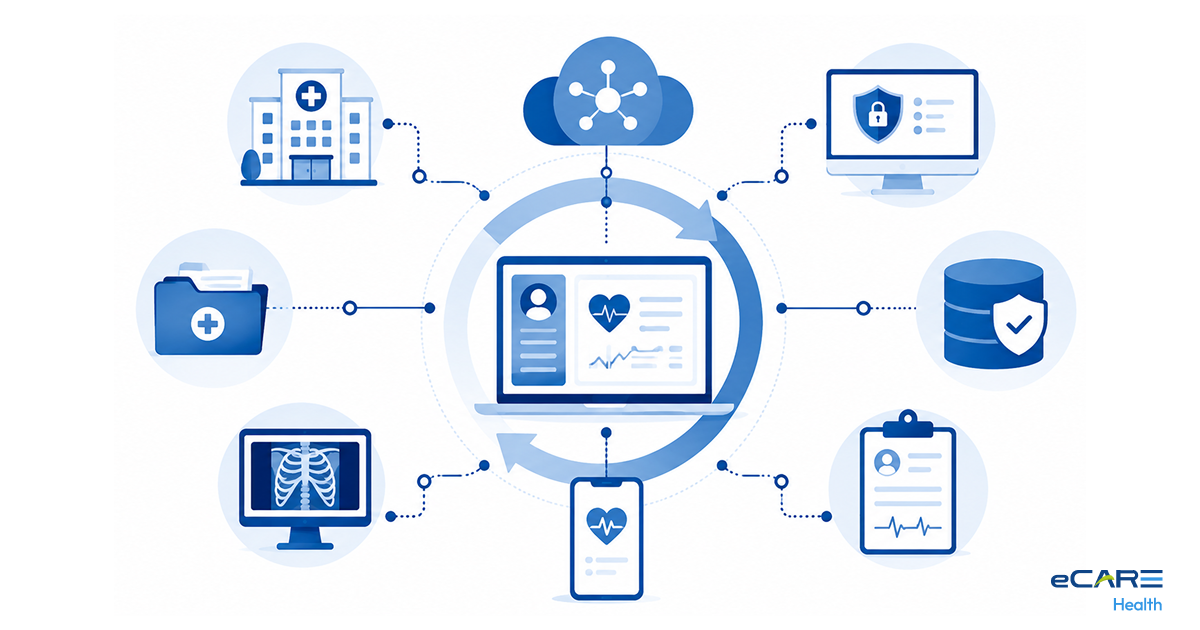
In 2026, healthcare is more connected than ever before, and interoperability is essential if you want to deliver a seamless care experience. Not only that, but many healthcare interoperability standards are changing how data is exchanged, and EHRs are designed.
Free for 2 weeks — no credit card required. Unlock all features.
Pick a 30-min slot — we’ll walk you through the platform live.