Behavioral Health Treatment Planning: How to Create, Track, and Update Patient Goals in Your EHR
Almost 1 in 5 U.S. adults suffers from a mental illness each year; this represents more than 22%. Even so, delivering continuous and goal-oriented care still remains a major challenge for many behavioral health practices.
While clinicians emphasize helping their patients to make meaningful progress, factors like outdated treatment plans, scattered documentation, and changing compliance requirements can slow down that progress behind the scenes.
And because of this, behavioral health treatment planning has become much more than just a clinical task. A well-structured treatment plan can define measurable goals, track progress over time, and ensure continuity of care, and because of this, providers, patients, and care teams can keep moving in the same direction.
Furthermore, it also helps your practice to meet growing payer expectations for accurate documentation, quality reporting, and reimbursement. By bringing treatment planning, clinical documentation, care collaboration, and outcome tracking together, modern mental health EHR systems help to make this process far more efficient.
Rather than updating plans manually or searching through disconnected records, you can keep treatment goals current and deliver more coordinated and patient-centered care.
Let this blog be your guide to learn how to create behavioral health treatment plans in an EHR, explore the best practices for behavioral health treatment planning, and discover how to simplify tracking and updating mental health treatment goals in an EHR.
Understanding Behavioral Health Treatment Planning
Even though a diagnosis explains what is happening with your patient, it doesn’t define how care should move forward. And this is where behavioral health treatment planning jumps in. It helps to transform clinical findings into a personalized plan with clear goals, evidence-based interventions, and measurable outcomes.
Rather than being a one-time document, it evolves alongside your patient’s progress by helping you to deliver consistent and coordinated care.
Assessments, treatment plans, and progress notes are all closely connected, but they serve a different purpose. How? Let’s have a look at it:
| Document | Purpose |
|---|---|
| Assessment | Evaluates the patient's symptoms, diagnosis, strengths, and clinical needs. |
| Treatment Plan | Converts the assessment into measurable goals, objectives, interventions, and review timelines. |
| Progress Note | Records each session, the patient's response to treatment, and progress toward established goals. |
All these documents together form the golden thread. Every part of your patient’s record must connect seamlessly, which makes it easier to demonstrate medical necessity, maintain compliance, and track meaningful progress.
The golden thread follows a simple sequence:
- Diagnosis identifies the patient's clinical needs.
- Treatment goals define the desired long-term outcomes.
- Objectives break those goals into measurable milestones.
- Clinical interventions describe how providers will help the patient achieve those objectives.
- Progress notes document the patient's response and determine whether the plan should be updated.
Moving forward, a strong treatment plan also distinguishes between goals and objectives. Goals help to describe the broader outcomes, and objectives focus more on the specific steps required to achieve them.
For example, if your patient has a goal to reduce anxiety symptoms, along with an objective to reduce panic attacks from five episodes per week to one or fewer within 10 weeks through weekly CBT sessions and daily coping exercises.
To keep care aligned with your patient’s changing requirements, every mental health treatment plan EHR must involve evidence-based interventions, review dates, and expected outcomes. Regular updates help to strengthen behavioral health care planning, enhance documentation quality, and help ensure treatment remains not only clinically effective, but also compliant.
How to Create Behavioral Health Treatment Plans in an EHR
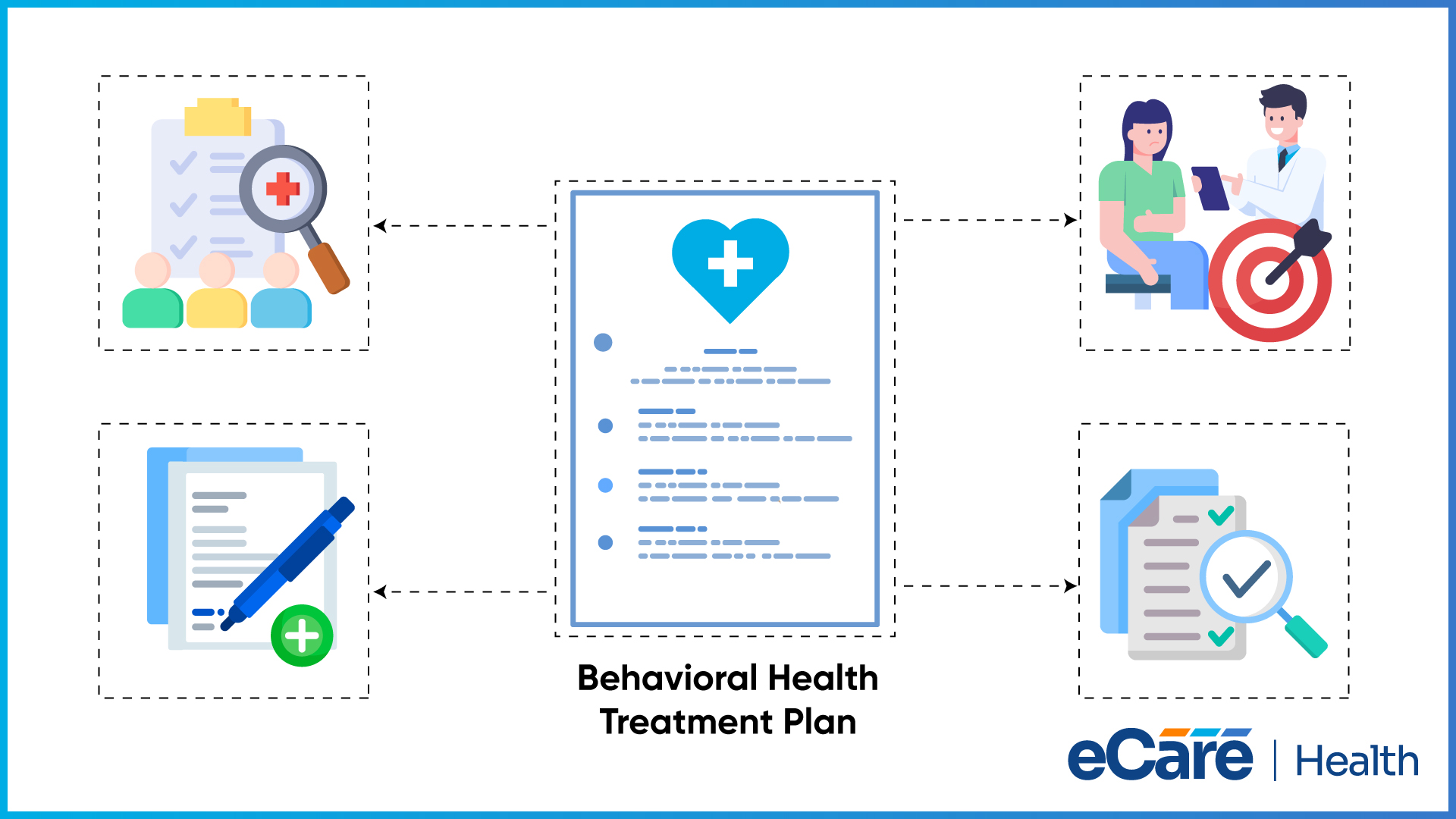
Creating an effective treatment plan is not just about checking boxes in an EHR. The core goal is building a plan that reflects your patient’s unique requirements, supporting clinical decision-making, and remaining easy to update as treatment progresses.
For additional guidance on creating accurate, consistent, and defensible clinical records, explore our: Mental Health Documentation Guide: How to Write Clinical Notes That Protect Your Practice. This can help providers strengthen the documentation that supports treatment goals, interventions, and ongoing patient progress.
Let’s have a quick look at a practical workflow that follows the best practices for behavioral health treatment planning:
Start with a Comprehensive Patient Assessment
Every treatment plan starts with a thorough assessment. You should document your patient’s diagnosis, presenting concerns, symptoms, medical history, and any other factors affecting their mental well-being. This information works as the clinical foundation for the rest of the care plan.
Define Patient-Centered Goals
After completing the assessment, the next step is establishing realistic treatment goals that both the provider and patient agree on. These goals must be measurable, achievable, and tailored to your patient’s priorities instead of using a one-size-fits-all approach.
Next is selecting evidence-based interventions that support all these goals. On the basis of the patient’s condition, these may involve cognitive behavioral therapy (CBT), medication management, family therapy, psychoeducation, or other clinically appropriate approaches.
Complete the Documentation Process
An effective mental health treatment plan EHR must capture every element required for both patient care and compliance. This involves:
- Documenting the medical necessity for treatment.
- Recording electronic signatures and approvals from providers or patients, when required.
- Using standardized EHR templates to improve consistency and reduce documentation time.
Keep Documentation Audit-Ready
Creating the plan is half of the story, as important as maintaining it equally. You should review treatment goals regularly, update interventions as your patient’s condition changes, and document progress after each visit.
With consistent documentation your practice can meet payer requirements, prepare for audits, and ensure every member of your care team is working toward the same goal.
By following this structured workflow, providers can create electronic treatment plans that mental health professionals can easily maintain while supporting better collaboration, stronger compliance, and improved patient outcomes.
Tracking and Updating Mental Health Treatment Goals in an EHR
A treatment plan is the first step. For delivering meaningful care, you should also regularly evaluate whether your patients are progressing, struggling with any new challenges, or need any changes to their care plan. Continuous tracking and updating mental health treatment goals in an EHR can enhance clinical outcomes and keep documentation more accurate and compliant.
Monitor Patient Progress
With an effective EHR, it becomes easier to monitor progress by bringing clinical data and treatment goals together in one place. During each follow-up, you should:
- Track standardized outcome measures such as PHQ-9, GAD-7, or other validated assessments.
- Measure progress toward established treatment goals and objectives.
- Document completed milestones, setbacks, or barriers affecting recovery.
- Adjust interventions when the patient's needs or response to treatment changes.
Review and Update Treatment Plans
It is a fact that treatment plans should never remain static. The frequency of reviews often relies on your patient’s level of care and clinical requirements.
| Level of Care | Recommended Review Frequency |
|---|---|
| Outpatient Therapy | Every 60–90 days or as clinically indicated |
| Intensive Outpatient Program (IOP) | Every 30 days |
| Partial Hospitalization Program (PHP) | Weekly or biweekly |
| Residential or Inpatient Care | Weekly or after significant clinical changes |
Additionally, you should also update interventions, maintain version history, and preserve audit trails. These records help to demonstrate how and why changes were made, which further helps you to meet payer expectations and ensure continuity of care across multidisciplinary teams.
Automate Routine Follow-Ups
By automating routine tasks, modern behavioral health treatment plan software can reduce the administrative burden. Features like automated review reminders, goal-tracking dashboards, integrated assessments, and reporting tools help you identify patients who need plan updates without depending on manual follow-up.
When treatment plans are reviewed consistently and supported by automation, your practice is more likely to strengthen mental health treatment goals, improve EHR workflows, enhance documentation quality, and spend more time focusing on patient care rather than paperwork.
How Behavioral Health Treatment Plan Software Improves Care Delivery
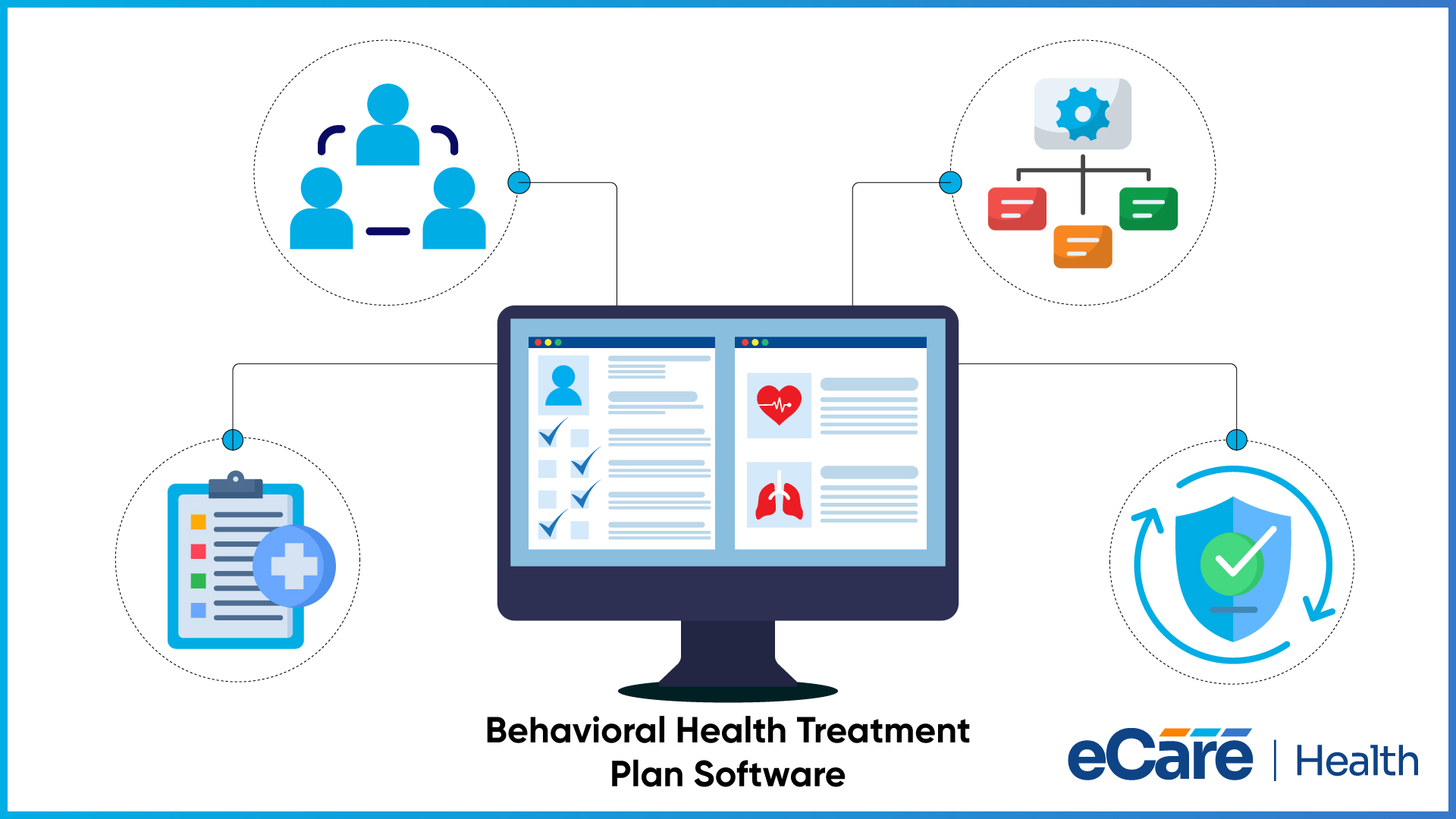
Managing treatment plans manually can slow down clinical workflows as patient volume continues to grow and compliance requirements become more demanding. By bringing treatment planning, documentation, and care coordination into one centralized platform, modern behavioral health treatment plan software can simplify this process.
Rather than switching between multiple systems, you can manage the entire treatment journey from a single location.
Here is how the right software supports better care delivery:
- Centralized treatment plans: Store and manage electronic treatment plans that mental health professionals can easily access, review, and update throughout the patient's care journey.
- Better team collaboration: Keep therapists, psychiatrists, counselors, case managers, and other care team members aligned with shared treatment goals and the latest clinical updates.
- Integrated clinical workflows: Connect treatment plans with documentation, scheduling, billing, telehealth, clinical assessments, and other everyday workflows to reduce duplicate data entry and improve efficiency.
- Stronger compliance and reporting: Maintain audit-ready documentation, support measurement-based care, generate clinical reports, and meet payer requirements with greater confidence.
Equally important is choosing the right EHR. A comprehensive platform must help providers in creating individualized treatment plans, monitoring patient progress, automating routine reviews, and adapting care plans as patient requirements evolve. When all these capabilities work together, you practice spending less time on managing paperwork and more time in delivering high-quality, patient-centered care.
Along with digitizing documentation, the right mental health EHR software can strengthen behavioral health care planning, enhance collaboration across the care team, and help you to create, manage, track, and update treatment plans more effectively.
Conclusion
Effective behavioral health treatment planning is an ongoing process that extends far beyond creating an initial care plan. From setting patient-centered goals and documenting evidence-based interventions to tracking progress and updating treatment plans, every step contributes to better clinical outcomes, stronger compliance, and more coordinated care.
A structured approach also helps practices meet payer requirements, maintain audit-ready documentation, and demonstrate measurable progress throughout the patient's care journey. When treatment plans remain accurate and up to date, providers can spend less time on administrative tasks and more time delivering meaningful care.
The right mental health EHR software brings all of these processes together in one place. By streamlining treatment planning, automating routine workflows, supporting multidisciplinary collaboration, and simplifying documentation, it enables behavioral health practices to deliver measurable, coordinated, and patient-centered care with greater confidence.
Frequently Asked Questions (FAQs)
1. What is behavioral health treatment planning?
Behavioral health treatment planning is the process of creating a personalized care plan that guides a patient's mental health treatment from assessment through ongoing care. It includes the patient's diagnosis, measurable treatment goals, clinical interventions, review timelines, and expected outcomes. Rather than serving as a static document, the plan is reviewed and updated as the patient's condition changes. This structured approach helps providers deliver consistent, patient-centered care while improving documentation, supporting medical necessity, and meeting payer and compliance requirements.
2. What should be included in a behavioral health treatment plan?
A behavioral health treatment plan should include the patient's diagnosis, presenting concerns, treatment goals, measurable objectives, evidence-based interventions, review dates, and expected outcomes. It should also document medical necessity, identify the responsible providers, and reflect the patient's participation whenever appropriate. Every element should connect to the overall treatment strategy and support the patient's progress. A complete and well-maintained plan improves care coordination, strengthens documentation quality, and helps practices meet payer and regulatory requirements.
3. How do you create behavioral health treatment plans in an EHR?
Creating behavioral health treatment plans in an EHR begins with documenting a comprehensive assessment, diagnosis, and presenting concerns. Providers then establish patient-centered goals, define measurable objectives, select evidence-based interventions, and record medical necessity using standardized templates. Electronic signatures, review schedules, and ongoing progress updates help keep the plan accurate throughout the patient's care journey. This structured workflow reduces documentation errors, supports compliance, and ensures treatment plans remain aligned with changing patient needs.
4. What is the difference between treatment goals and treatment objectives?
Treatment goals are the broad, long-term outcomes that define what a patient hopes to achieve through therapy, such as reducing anxiety or improving daily functioning. Treatment objectives are the specific, measurable steps that help achieve those goals within a defined timeframe. Objectives provide clinicians with a practical way to monitor progress and determine whether interventions are effective. Together, goals and objectives create a clear roadmap that supports better clinical decision-making and outcome measurement.
5. How often should behavioral health treatment plans be reviewed and updated?
Behavioral health treatment plans should be reviewed regularly and updated whenever there is a meaningful change in the patient's condition, diagnosis, or response to treatment. The review schedule often depends on the level of care, organizational policies, and payer requirements, with outpatient plans commonly reviewed every 60 to 90 days. Higher levels of care may require more frequent reviews. Keeping treatment plans current ensures documentation remains accurate, clinically relevant, and compliant with regulatory expectations.
6. What are the best practices for behavioral health treatment planning?
The best behavioral health treatment plans are individualized, measurable, and developed collaboratively with the patient whenever possible. Providers should establish SMART goals, use evidence-based interventions, document medical necessity, and review treatment plans regularly to reflect changes in the patient's condition. Maintaining the connection between diagnosis, treatment goals, interventions, and progress notes also strengthens documentation. Following these best practices improves patient outcomes, care coordination, compliance, and reimbursement.
7. How does treatment planning support medical necessity and payer compliance?
Treatment planning supports medical necessity by clearly linking a patient's diagnosis with measurable goals, appropriate interventions, and documented progress over time. This connection demonstrates why treatment is clinically appropriate and provides evidence that services are necessary and effective. Accurate, up-to-date treatment plans also make it easier to respond to audits, justify continued care, and satisfy payer documentation requirements. As a result, practices can reduce claim denials while maintaining compliance and continuity of care.
8. What features should behavioral health treatment plan software include?
Behavioral health treatment plan software should include customizable treatment plan templates, SMART goal tracking, electronic signatures, automated review reminders, audit trails, and reporting capabilities. Integration with clinical documentation, scheduling, billing, telehealth, and standardized assessments further streamlines daily workflows and reduces duplicate data entry. These features help clinicians manage treatment plans more efficiently while improving collaboration across care teams. They also support compliance, measurement-based care, and better patient outcomes.
9. How does an EHR help track and update mental health treatment goals?
An EHR helps providers track and update mental health treatment goals by keeping treatment plans, assessments, progress notes, and outcome measures in one centralized system. Clinicians can monitor patient progress, document completed milestones, identify treatment barriers, and modify goals as clinical needs evolve. Many EHRs also include automated reminders, version history, reporting tools, and audit trails that simplify ongoing treatment planning. This enables providers to deliver more coordinated, data-driven, and patient-centered behavioral healthcare.